Sama Hoole X-berichten

Melanoma has tripled since 1975. The sun has not changed once in that time. Something in the skin has.

There is no dermatology clinic in the records of Georgian London. No Victorian warning to fieldworkers about ultraviolet. Not one document, in the entire written medical record of Britain before the twentieth century, telling the population that the thing they had stood under all their lives was going to kill them.

Because it wasn't.

The farm labourer of 1850 did 14-hour days in a July field with his sleeves rolled up and a face like a saddle by 30. He did it for 40 years. What killed him was a cart, a cough or the gin.

The North Sea fisherman of 1890 stood on a deck with the sun coming off the water at him from every angle, ate herring, oats and butter, and died of the sea.

Every human being on your family tree for a quarter of a million years lived outdoors under that sun without a tube of anything between them and it.

Then, in 1911, a soap company started selling cottonseed oil as food.

Before Crisco, the fat in the British and American diet was butter, lard, tallow, suet and cream. Saturated. Stable. It sits under ultraviolet light and does nothing.

After Crisco, the fat was soybean, corn, sunflower, rapeseed. Polyunsaturated. It goes rancid on the shelf, in the pan, and in you.

The fat you eat is the fat your skin is built from. It goes into every cell membrane and stays there for months.

Put saturated fat under the sun and nothing happens. That was the peasant.

Put polyunsaturated fat under the sun and it oxidises on the spot. Free radicals, inflammation, redness, peeling, and the cell damage that a dermatologist, looking at the wreckage, quite reasonably calls dangerous. That is you.

Feed an animal seed oil in the lab and the same sun does more damage to it. Feed it saturated fat and the damage drops. This has been known since the 1980s and it has never once appeared on a bottle.

Linoleic acid in the western diet has more than tripled since 1960. Melanoma has tripled alongside it. Sunscreen sales went up the whole time, and the rate did not turn.

The sun did not become dangerous. The skin did.

The medieval peasant stood in a field all day because his skin was made of butter. Yours is made of soybean oil. They behave very differently under ultraviolet.

Nobody in a white coat will tell you this, because the alternative to a tube of factor 50 is telling you to change what you fry in, and there is no lobby for lard.

The sun has been there the whole time.

The seed oil hasn't.

Stop ingesting it. Eat butter. Go outside.


Mike
 
Elke cashew die je ooit hebt gegeten, is gekookt voordat hij de winkel bereikte, want de rauwe versie veroorzaakt chemische brandwonden.

De noot groeit in een schil vol verbindingen uit dezelfde familie als die in giftige sumak. Breek hem met blote handen open en je huid gaat blaren.

De vrouwen die ze voor hun levensonderhoud pellen, meestal in India, meestal met de hand, werken met vingers die rauw verbrand zijn. Dat is de prijs van de 'gezonde snack' in het bakje op je bureau.

Daarom stoomt of roostert de industrie elke cashew op aarde om het gif eruit te branden voordat hij in jouw buurt mag komen.

Het pakje dat 'rauw' belooft, liegt. Er bestaat geen rauwe cashew te koop, nergens ter wereld, want een rauwe cashew is gevaarlijk materiaal.

Dat is een plant met een waarschuwingsbord erop. Het bord zegt: eet dit niet, in de vorm van blaren.

Jij negeerde het bord. Daarna betaalde je extra voor de biologische versie.

Wat overblijft nadat het gif is verwijderd:

- Bijna een derde koolhydraten, meer dan welke andere noot in de kom ook
- Fytinezuur, dat de mineralen opsluit waarvan je dacht dat je ze binnenkreeg
- Lectines, waar je darmen niet van houden
- Oxalaten, dezelfde kristallen die nierstenen veroorzaken
- Een van de meest voorkomende triggers van anafylaxie in de westerse wereld

Een veelvoorkomende allergene stof is je immuunsysteem dat het etiket correct leest.

Een ribeye heeft nooit beschermende handschoenen, een stoominstallatie of een waarschuwing op een fabrieksmuur nodig gehad.

De cashew heeft alle drie nodig. Hij staat in het gezondheidsgangpad. De steak staat naast de waarschuwing over verzadigd vet.
 
De schil van een aardappel bevat tot wel 10 keer zoveel gif als het vruchtvlees, en het advies van de afgelopen veertig jaar was om hem eraan te laten om de goede eigenschappen te behouden.

Het gif is solanine, met zijn tweeling chaconine. De aardappel maakt ze allebei om te voorkomen dat hij wordt opgegeten, en hij zet ze op de plekken waar de aanval vandaan komt: de schil, de ogen, de scheuten, en overal waar het knolletje groen is geworden. Licht maakt er meer van. Opslag maakt er meer van. Koken raakt het niet.

In 1979 aten 78 jongens op een school in Londen een lunch van aardappelen die de hele zomervakantie in een zak hadden gezeten. Zeventien belandden in het ziekenhuis, 3 van hen ernstig ziek, en het verslag in het medische tijdschrift wees het toe aan de glycoalkaloïden in de schil.

Het voedselveiligheidinstituut van Duitsland is directer dan welke Britse verpakking ook. Kleine kinderen mogen geen aardappelen met schil eten. Groene of spruitende aardappelen gaan in de prullenbak. Het kookwater wordt weggegooid, want het gif dat het koken eruit trekt, zit in de pan, niet in de afvoer. De wettelijke limiet is 200 milligram per kilo, en het instituut wil dat halveren.

Daarna kwamen de trends die de schil weer terugbrachten. De jacket potato, met schil en al, voor de vezels. De geroosterde partjes met schil. De kook-en-koeltruc voor resistent zetmeel, gedaan met de schillen erop omdat het recept dat zei. Elke keer concentreert het het enige deel van de plant dat het juist heeft gemaakt om jou pijn te doen.

Een oma schilde elke aardappel in dit land tot ongeveer 1985, sneed de ogen eruit en gooide de groene weg, en werd door een generatie voedselauteurs verteld dat ze de goede eigenschappen had verspild.

De nachtschadefamilie waartoe de aardappel behoort, is dezelfde als die van dodelijke nachtschade. Het knolletje heeft het nooit vergeten. De verpakking zegt: laat de schil eraan.
 
Het uitplassen van een niersteen komt voor een man het dichtst in de buurt van een bevalling, en 4 op de 5 daarvan bestaan uit spinazie.

Niet de steen die pijn doet. De buis. Een stukje gruis van 4 millimeter dat vastzit in een buisje zo breed als een rietje, en dat buisje dat twee dagen lang in golven probeert het eruit te persen.

Je kunt niet liggen. Je kunt niet zitten. Je loopt om drie uur ’s nachts zwetend door je shirt heen over de afdeling heen en weer, vraagt de verpleegster om iets sterkers, en de verpleegster heeft je dat sterkere middel al gegeven.

Vrouwen die beide hebben meegemaakt, zeggen dat de niersteen erger was. Bij een bevalling houdt het tenminste op.

Eén op de tien mensen krijgt er een. De helft daarvan krijgt er nog een.

Tachtig procent bestaat uit calciumoxalaat. Oxalaat is een chemische stof die een plant aanmaakt, zodat wie het ook eet er niets aan heeft. In de nier komt het in contact met calcium en verandert het in grind met scherpe hoeken.

En de rijkste bron ervan in elke winkel in Groot-Brittannië is spinazie. Tien tot twintig keer zoveel als in welke normale groente dan ook. Het verdwijnt niet tijdens het koken. Bietengroen en snijbiet staan ernaast op het podium, amandelen in de notencategorie.

Toen vond iemand de groene smoothie uit: een zak bladeren die geen mens zou kunnen kauwen, gepureerd zodat het hele spul in één keer in de darmen terechtkomt, elke ochtend ingenomen als detox.

De nier is de ontgifter. Dit is hoe hij een klacht indient.

Niemand heeft ooit een steen van ribeye uitgescheiden. Nul oxalaat in een biefstuk, nul in een ei, nul in een glas melk – en dat is juist het enige wat de uroloog je aanraadt te blijven drinken.

Dus de man die voorovergebogen op de spoedeisende hulp lag, heeft alles goed gedaan. Hij heeft zijn groenten gegeten. Goede jongen.

Maak je geen zorgen, ik heb mijn vriend niet aan zijn spinazie laten komen.
 
Legal:

- A "juice drink" that is 5 per cent juice and a photograph of an orange
- A children's cereal that is a third sugar, sold as "part of a balanced breakfast," beside a cartoon tiger
- "Heart healthy" printed on a bottle of seed oil, with the regulator's blessing
- A margarine tub that says "plant goodness" about something made in a refinery with hexane
- A vegan sausage with 22 ingredients and the word "clean" on the front
- Wood pulp in the grated cheese, up to 4 per cent, filed as an anti-caking agent
- Grey farmed salmon fed a pink pigment so it looks like a fish that has been somewhere
- "No added sugar" on a smoothie that is nothing but sugar, and it counts as 1 of your 5 a day
- "Uncured" bacon, cured with celery powder, which is nitrate with a beard
- A barn drawn on a carton of oat water

Illegal:

- Calling that carton milk
- Selling a pint of actual milk, from an actual cow, that nobody has heated
- Printing the word "healthy" on a pack of beef
- A farmer selling his neighbour a chop from the pig he raised
- Saying on a packet of eggs that eggs are good for you

You can lie about the orange, the tiger, the oil, the cheese and the fish, as long as you never tell the truth about the cow.

The whole system is built so that a photograph of a farm is legal and the farm is not.

The fraud is printed on the front. Nobody has ever been charged with it.


Mike
 
An 88-year-old woman ate raw bok choy for her health for several months and arrived at hospital in a coma, and the plant did exactly what a brassica is built to do.

She was eating a kilo to a kilo and a half of it a day, raw, having read it would help her diabetes. It went into a medical journal in 2010 because she stopped being able to walk, then stopped being able to stay awake, and the diagnosis was myxoedema coma: a thyroid that had shut down.

Kale, cabbage, broccoli, sprouts, bok choy, cauliflower, turnip, swede. Every one of them carries glucosinolates, and glucosinolates are the plant's insecticide. Chew the leaf and an enzyme in it converts them into the active compounds, one of which is goitrin and another of which becomes thiocyanate.

Goitrin blocks the enzyme your thyroid uses to build its hormone. Thiocyanate blocks the pump that carries iodine into the gland in the first place. Two locks on the one door.

Cooking kills most of the enzyme, which is why the sprouts at Christmas have never put anyone in a coma. Raw is a different dose. The green smoothie, the massaged kale salad, the raw cruciferous cleanse: that is the enzyme working at full speed.

Britain is one of the more iodine-short countries in the developed world, and the iodine it does get comes mostly from milk. So the woman who has swapped the milk for an oat drink and kept the raw kale has taken the iodine away and left both locks on the door, then wonders why the thyroid test keeps coming back borderline and the tiredness never lifts.

Thiocyanate is also the compound in cigarette smoke that does the same job to a smoker's thyroid. The kale smoothie and the twenty-a-day habit are pressing the same button.

The plant put that chemistry in its leaves to stop a caterpillar. It has no opinion on who else chews them.


Mike
 
There were six chairs, one serving dish, and one cook, and everybody in that house ate the same dinner at the same time whether they liked it or not.

The table was where you sat when you were called, and you were called twice, the second time in a different voice. Dad's chair was Dad's chair. The dish went down in the middle, whatever it was that night, and it went round, and you took what you were given and you asked for more if there was more, and the last helping was negotiated across the table in a way that would have impressed a lawyer.

Nobody had a separate meal. Nobody had a plate made to order. There was no menu and there was no option, and a child who did not like what was in the dish had a choice between that and nothing, and learned to like it, which is how every child in that generation came to eat liver, cabbage, mackerel and a great many other things their grandchildren have never had in front of them.

It was not always harmonious. There were rows at that table, sulks, plates pushed away, a father who read the paper and a mother who had been on her feet since five. It was a family. But it happened every night, in one room, with one dish, and that was the machine that ran a household's food.

Because one shared dinner does several jobs at once. One cook, one shop, one pan. Leftovers from a single dish go into the next one, so the Sunday joint becomes Monday's cold and Tuesday's soup without anybody having to plan it. Every child at that table learned what a dinner was by eating a few thousand of them in a row, and took that into their own kitchen without a lesson.

Now walk into the same house on a Tuesday evening.

One person eats at seven, out of a box, in front of a screen. One had a thing from the microwave at six. One is waiting for a delivery from an app and one has grazed since four and will not be eating at all. Four people, four purchases, four sets of packaging, nobody cooked, and nobody learned anything.

The trade loves that house. A family meal is one transaction. A household of individuals is four, plus the snacks in between, plus the delivery fee. The dinner table was the single biggest obstacle to selling food to a family, and it did not have to be attacked. It only had to be made optional.

Your mother was the reason it was not optional. She decided what was for dinner and when, and everybody sat down to it, and the whole of what a child came to know about food was decided at that dish.

Put the dish in the middle of the table this week. Same food for everybody, same time, phones somewhere else. It is the oldest food policy in the world and it is the only one that ever worked.


Mike
 
What people think the jelly on cold meat is:

- Disgusting
- Scraps
- Fat
- Something to scrape onto the side of the plate
- A sign of a cheap cut
- The bit the dog gets

What the jelly actually is:

- Collagen, cooked out of the skin, bones and tendons
- Nearly pure protein. The sugar belongs to the dessert, never the jelly
- Glycine, proline and the rest of the amino acids the muscle meat is short of
- The exact raw material of "collagen peptides," which is the same stuff broken into smaller pieces and put in a tub
- A £30-a-month supplement, in its original packaging, for free
- What your great-grandmother called pork pie

They scraped it off the plate, bought it back in a tub, and called it self-care.


Mike
 
There were six chairs, one serving dish, and one cook, and everybody in that house ate the same dinner at the same time whether they liked it or not.

The table was where you sat when you were called, and you were called twice, the second time in a different voice. Dad's chair was Dad's chair. The dish went down in the middle, whatever it was that night, and it went round, and you took what you were given and you asked for more if there was more, and the last helping was negotiated across the table in a way that would have impressed a lawyer.

Nobody had a separate meal. Nobody had a plate made to order. There was no menu and there was no option, and a child who did not like what was in the dish had a choice between that and nothing, and learned to like it, which is how every child in that generation came to eat liver, cabbage, mackerel and a great many other things their grandchildren have never had in front of them.

It was not always harmonious. There were rows at that table, sulks, plates pushed away, a father who read the paper and a mother who had been on her feet since five. It was a family. But it happened every night, in one room, with one dish, and that was the machine that ran a household's food.

Because one shared dinner does several jobs at once. One cook, one shop, one pan. Leftovers from a single dish go into the next one, so the Sunday joint becomes Monday's cold and Tuesday's soup without anybody having to plan it. Every child at that table learned what a dinner was by eating a few thousand of them in a row, and took that into their own kitchen without a lesson.

Now walk into the same house on a Tuesday evening.

One person eats at seven, out of a box, in front of a screen. One had a thing from the microwave at six. One is waiting for a delivery from an app and one has grazed since four and will not be eating at all. Four people, four purchases, four sets of packaging, nobody cooked, and nobody learned anything.

The trade loves that house. A family meal is one transaction. A household of individuals is four, plus the snacks in between, plus the delivery fee. The dinner table was the single biggest obstacle to selling food to a family, and it did not have to be attacked. It only had to be made optional.

Your mother was the reason it was not optional. She decided what was for dinner and when, and everybody sat down to it, and the whole of what a child came to know about food was decided at that dish.

Put the dish in the middle of the table this week. Same food for everybody, same time, phones somewhere else. It is the oldest food policy in the world and it is the only one that ever worked.


Mike

Deze past hier ook wel bij.


Mike
 
What people think chicken breast is:

- Clean protein
- The lean, healthy meat
- The serious cut for fat loss
- Natural
- What athletes eat
- The safe option

What chicken breast actually is:

- A bird grown to slaughter weight in 35 days
- 4 times the size of a 1957 chicken at the same age
- White striping in 96% of fillets, which is fat and scar tissue
- Wooden breast in the rest, the industry's own word for it
- A third of the iron in beef, a third of the zinc, a tenth of the B12
- 1g of fat per 100, so nothing in it to carry a vitamin
- 40 minutes of marinade, to taste of the marinade
- Tuesday, again

A muscle disease with a name from a timber yard, on 96 packs out of 100, sold as the safe option.

They told you to swap the steak for the chicken. The chicken ate the soy the steak was blamed for.


Mike
 
A pound of ribeye is a good dinner. A pound of brisket is the last thing you eat that day.

Same animal. Same weight. A third of the price. Different job.

The ribeye lay along the spine holding nothing up. Marbled, tender, gone in 12 minutes, and back on your mind by 9.

The brisket carried the front half of a 700 kilo animal every day of its life, and the animal wired it with collagen so it would not tear.

That collagen is why it fills you, three ways.

It has to be chewed. A ribeye is swallowed in 12 minutes. A brisket takes 30, and the brain's fullness signal runs on a 20-minute delay. You finish the ribeye before you know you are full. You finish the brisket after.

It turns to gelatin. Slow cooked, the collagen melts into a gel that sits in the stomach, holds water, and leaves slowly. Gelatin has beaten every other protein in the trials that measure how long a meal keeps you full.

It is denser. More protein per bite, less water, and a fibrous grain the gut has to work through rather than wave past.

So the rule every farmer's wife knew and every steakhouse charges you to forget: the cuts that did some work fill you longer than the cuts that did none. Brisket, shin, cheek, oxtail, chuck, neck.

They cost a third of the ribeye, because the tender crowd never learned to cook them. They carry the glycine and the gelatin the muscle meat cannot. They keep you out of the fridge until morning.

The ribeye is dinner.

The brisket is dinner, and the reason you skip breakfast.


Mike
 
Here's something that might shock you: A significant portion of the chronic disease epidemic hasn't arisen from people getting sick but from a change in definitions.

Think about it. Overnight, 31 million Americans were diagnosed with hypertension, not because their blood pressure changed but because the definition of what constitutes high blood pressure changed in 2017. The same thing happened with cholesterol. In 2013, 12.9 million people were suddenly diagnosed with high cholesterol when the normal LDL threshold was lowered.

And it gets wilder. In a single stroke of a pen, a brand new category called "prediabetes" was manufactured, making 72 million people "prediabetic" overnight. When you add it all up, roughly 115 million adults now fall into the diabetes or prediabetes bucket, largely due to reclassification.

This spike in diagnoses, which hasn't extended life or improved health, has led to what's called polypharmacy, where one medication leads to side effects requiring another, and so on.

-Dr. Berg

Dr. Eric Berg, DC, not MD; information only


SH had zo deze post kunnen schrijven.

Mike
 
Ook wel interessant
Tekst via AI:
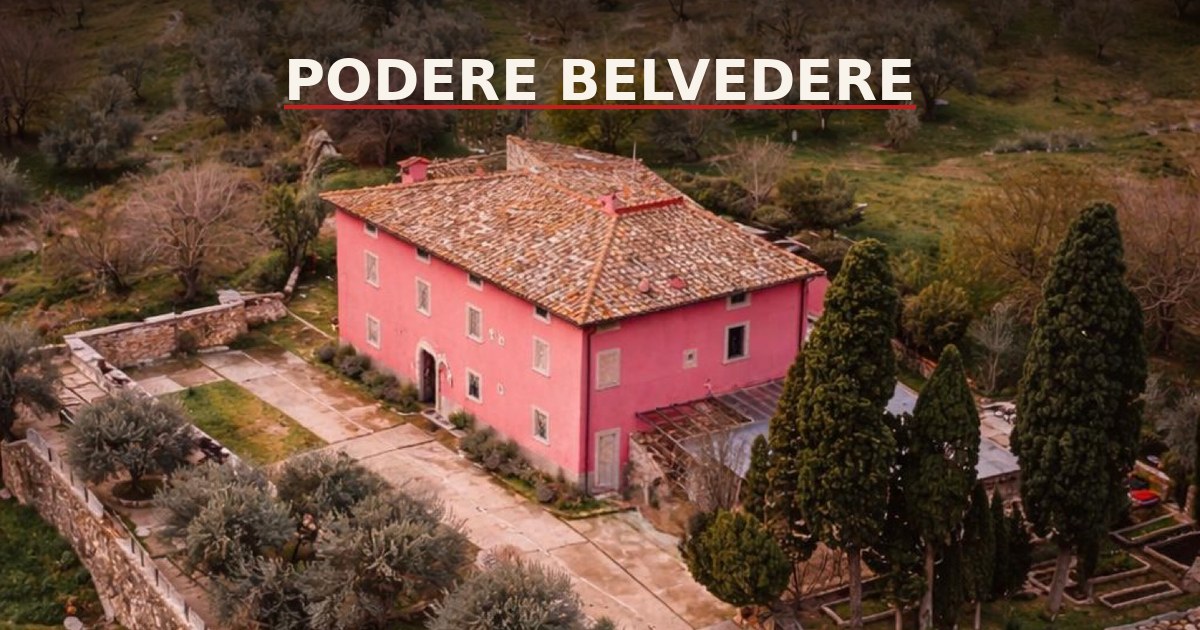
Edoardo Tilli is een vooruitstrevende, grotendeels autodidactische Italiaanse chef-kok die internationaal bekendstaat om zijn radicale, duurzame en oeroude ("ancestral") benadering van gastronomie en het leven. Samen met zijn levenspartner Klodiana Karafilaj transformeerde hij de boerderij van zijn familie in de heuvels van Toscane tot het gerenommeerde culinaire project Podere Belvedere. [1]

Zijn levens- en werkvisie laten zich perfect samenvatten door zijn persoonlijke motto: "Sognare come un bambino, creando come un adulto" (Dromen als een kind, creëren met de verantwoordelijkheid van een volwassene). [1, 2]


De Levensvisie en Filosofie van Edoardo Tilli

Tilli's kijk op het leven is diep geworteld in de natuur, instinct en menselijke connectie. Hij gelooft niet in de formele, strikte regels van de moderne maatschappij of de traditionele gastronomie, maar vaart volledig op zijn eigen kompas. [1, 2]

  • Cucina Libera (Vrije Keuken): Tilli ziet koken en leven als een vorm van ultieme vrijheid. Hij weigert zich te laten beperken door trends en kiest voor een instinctieve benadering. [1, 2]
  • De Kracht van Tijd: In een gehaaste wereld pleit hij juist voor vertraging. Hij is een meester in extreme fermentatie en het langdurig rijpen van vlees. In 2025 bracht hij hierover zijn boek Deep Raw: La Filosofia delle Frollature uit. [1, 2]
  • Menselijke Waarde boven Status: Voor Tilli draait succes niet om uiterlijk vertoon. Zo stelt hij dat de grootsheid van een restaurant niet wordt bepaald door het aantal dure flessen in de kelder, maar door de menselijke waarde en de verhalen die erachter schuilgaan. [1, 2]
Zijn Missie: Respect en Extreme Duurzaamheid

Tilli heeft een duidelijke missie om de relatie tussen mens, dier en natuur te herstellen. Dit uit zich in een aantal radicale principes: [1, 2]

  • Respect voor het dier: Vlees is voor hem geen massaproduct, maar iets dat gevierd moet worden. Zijn stelregel is "Less, but better. Little, but unique" (Minder, maar beter. Weinig, maar uniek). Elk orgaan en elk bot van een dier wordt volledig gebruikt om verspilling tegen te gaan. [1]
  • Zelfvoorzienend leven: Zijn missie reikt verder dan de keuken alleen. Tilli streeft naar volledige energetische zelfvoorzienendheid en werkt nauw samen met lokale jagers en boeren die dezelfde ethische waarden delen. [1, 2]
  • Grenzen verleggen: Hij omschrijft zijn werk als een ontdekkingsreis zonder limieten, waarbij hij de wetten van de natuur respecteert maar constant zoekt naar nieuwe wetenschappelijke en ambachtelijke inzichten. [1, 2]
1. De transformatie van pijn naar passie

Edoardo vertelt openhartig over zijn verleden en hoe hij niet de traditionele route naar het chef-kokschap heeft bewandeld. Hij legt uit dat zijn radicale manier van koken — met puur vuur, extreme fermentaties en het zelf slachten en rijpen van vlees — voortkomt uit een diepe innerlijke drang om 'echt' te leven. Voor hem is de keuken geen werkplek, maar een redding en een manier om zijn emoties en levenslessen tastbaar te maken. [1, 2, 3]

2. De spirituele connectie met het dier (Het Offer)

Het meest indrukwekkende deel van zijn verhaal gaat over zijn omgang met vlees. Edoardo legt uit dat het doden van een dier voor consumptie voor hem een spirituele en zware verantwoordelijkheid is. [1, 2, 3]

  • Hij vertelde dat als een dier sterft om ons te voeden, het onze absolute plicht als mens is om elk minuscuul onderdeel te eren.
  • Niets mag worden weggegooid (zijn zero-waste missie). Door technieken zoals Deep Raw (extreme rijping) en fermentatie probeert hij de ziel en de smaak van het dier zo intens mogelijk te conserveren en te respecteren. [1, 2]
3. "Dromen als een kind, creëren als een volwassene"

Hij sluit het gesprek vaak af met zijn belangrijkste levensfilosofie. Hij legt Michele en Paula uit dat we als volwassenen vaak onze nieuwsgierigheid en puurheid verliezen door maatschappelijke druk en regels. Zijn missie met Podere Belvedere is om de gasten weer te laten voelen hoe het is om onbevangen te proeven, te ontdekken en te leven, maar wel met de volwassen verantwoordelijkheid om de natuur te beschermen. [1, 2]

Het verhaal liet prachtig zien dat eten bij hem geen 'luxe entertainment' is, maar een rauwe, eerlijke connectie tussen de aarde, het dier en de mens. [1, 2]

Edoardo Tilli’s afsluitende monoloog is legendarisch omdat hij daarin de gasten recht in de ziel kijkt. Als hij aan tafel komt zitten, deelt hij nog een aantal diepere lagen van zijn filosofie die verklaren waarom zijn restaurant Podere Belvedere zo rauw en compromisloos is:

4. De illusie van de "perfecte biefstuk"

Edoardo deelt zijn frustratie over de moderne consumptiecultuur. Hij legt uit dat mensen gewend zijn geraakt aan steriele, perfect roze stukjes vlees uit de supermarkt, compleet losgekoppeld van het levende dier.

  • Met zijn extreme rijpingstechnieken (zoals uitgelegd in zijn boek Deep Raw) laat hij vlees soms wel maanden rijpen tot het uiterlijk bijna "bedorven" lijkt, maar van binnen een ongekende smaakexplosie ontwikkelt.
  • Zijn boodschap: "Echte schoonheid en diepgang zitten vaak verborgen achter wat we op het eerste gezicht afstoten." Hij daagt de gasten uit om hun vooroordelen en angsten overboord te gooien.
5. De keuken als spiritueel "Altaar"

Voor Edoardo is de keuken geen fabriek en de chef geen rockster. Hij vergelijkt zijn open vuur en zijn werkbank met een altaar. Hij vertelt dat koken met vuur de oudste, meest primitieve handeling van de mensheid is. Wanneer hij daar staat, voelt hij zich verbonden met duizenden jaren aan menselijke geschiedenis. Hij kookt niet om te behagen, maar om een oer-ervaring over te brengen.

6. Geen luxe, maar menselijkheid

Hij drukt de bloggers op het hart dat de gastronomische wereld te veel is doorgeslagen in "theater en luxe". Hij legt uit dat de ware rijkdom van zijn restaurant Podere Belvedere niet zit in zilveren bestek of een stijve service, maar in de menselijke kwetsbaarheid. Het feit dat hij en zijn team hun hele ziel en zaligheid op het bord leggen, en dat de gasten aan het einde van de avond veranderd naar buiten lopen — dít is zijn uiteindelijke doel.

Het is die zeldzame combinatie van een filosoof, een wetenschapper en een ambachtsman die zijn verhaal aan het einde zo intens en onvergetelijk maakt.

Edoardo Tilli legt uit dat zijn werk op Podere Belvedere draait om puur respect voor de natuur en de herkomst van ons eten. Hij ziet koken als een terugkeer naar de basis en een manier om mensen zich weer mens te laten voelen, waarbij hij streeft naar de dromen van een kind gecombineerd met de verantwoordelijkheid van een volwassene.

1. Het offer is geen geweld, maar bewustzijn

Edoardo legt uit dat we in de moderne wereld volledig ontkoppeld zijn geraakt van de oorsprong van ons voedsel. We kopen vlees in plastic bakjes in de supermarkt zonder na te denken over het leven dat eraan voorafging. [1, 2]

Zijn filosofie is dat het doden van een dier voor voedsel een heilig offer is. Hij zegt hierover: [1, 2]

"In mijn wereld bestaat er geen voeding zonder verantwoordelijkheid. Het offer van een dier is geen geweld. Het is bewustzijn. Het is erkennen dat een ander levend wezen zijn leven heeft gegeven zodat wij het onze kunnen voortzetten. Het is accepteren dat dit wezen een deel van ons wordt. Pas dan wordt eten weer een écht menselijke handeling, in plaats van een automatische reflex." [1]

2. Bewustzijn verspilt niet, het transformeert

Omdat een dier zijn leven heeft gegeven, is het weggooien van onderdelen (zoals organen, vet of botten) in zijn ogen de ultieme vorm van respectloosheid. Zijn hele keuken op Podere Belvedere is daarom ingericht op zero-waste. [1, 2, 3]

"Bewustzijn verspilt niet. Bewustzijn transformeert. Dat is voor mij de ware betekenis van duurzaamheid, respect en liefde." [1]

Door technieken te gebruiken zoals extreme rijping (dry-aging) en fermentatie, conserveert hij niet alleen de smaak, maar eert hij het dier door er iets unieks van te maken dat de tijd overstijgt. [1, 2]

3. De herverbinding met de aarde

Tilli weigert mee te gaan in de trends van "vleesvervangers" of steriele, hypermoderne kookstijlen. Hij gelooft dat de mensheid spiritueel ziek wordt als we de connectie met de rauwe aarde verliezen. Koken met open vuur en het serveren van vlees dat zijn textuur en karakter heeft behouden, is zijn manier om de gasten terug te brengen naar hun oer-instincten. Hij wil dat de gast aan tafel voelt dat het vlees verbonden is met de grond, de tijd en de opvoeding van het dier. [1, 2, 3, 4]

4. Dromen als een kind, creëren als een volwassene

Het fundament van zijn hele levensvisie is zijn persoonlijke motto: "Sognare come un Bambino, creando come un Adulto". [1]

  • Dromen als een kind: De drang om te blijven ontdekken, te spelen, grenzen te verleggen en niet bang te zijn voor het onbekende.
  • Creëren als een volwassene: De absolute plicht om dat te doen met ethisch besef, respect voor de natuur en de verantwoordelijkheid dragen voor elke levende ziel die je keuken passeert. [1]
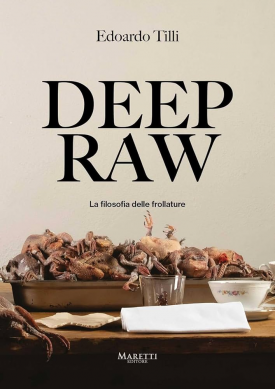
Waarover gaat het boek Deep Raw: La Filosofia delle Frollature

Het boek Deep Raw: La Filosofia delle Frollature (gepubliceerd in het Engels en Italiaans) is geen traditioneel kookboek met recepten en grammages. Het is een culinair en ethisch manifest waarin Edoardo Tilli zijn radicale visie op vlees, tijd en de natuur beschrijft. [1, 2, 3, 4]

De term "frollature" staat in het Italiaans voor het besterven of rijpen van vlees (dry-aging). Tilli gebruikt dit boek om de diepere, bijna mystieke filosofie achter dit proces uit te leggen. [1, 2]

filosofie achter zijn boek Deep Raw?
1789203036004.png

De diepere filosofie achter het boek Deep Raw: La Filosofia delle Frollature (gecureerd door Sara Favilla) is dat het geen traditioneel kookboek is met recepten, grammages en stappenplannen. Het is een conceptueel, bijna mystiek manifest over het leven, de tijd en onze relatie met de natuur. [1, 2]

Lezers en critici omschrijven het als een filosofisch-onirisch (dromerig) boek waarin Edoardo Tilli thema's zoals entropie, ethische jacht en kleinschalige landbouw verkent. [1]

Dit zijn de vier belangrijkste filosofische pijlers waar het boek op rust:

1. De ethische rechtvaardiging van het offer

Tilli stelt in het boek een prangende hedendaagse vraag: Hoe kunnen we als mensen het doden van een dier voor consumptie moreel verantwoorden? [1]

  • Zijn antwoord ligt in het respecteren van een gezonde, vrije en gezonde levensloop van het dier.
  • Pas wanneer een dier in harmonie met de natuur heeft geleefd (zoals wild of dieren van kleinschalige, ethische boeren), is het offer volgens hem gerechtvaardigd. Dit leidt direct tot een superieure kwaliteit vlees. [1]
2. "Zero Waste" als historische plicht

In het boek keert Tilli terug naar historische, sociale en culturele gebruiken rondom voeding. Vroeger was het weggooien van eten ondenkbaar. Hij benadert het vlees met de filosofie dat alles verwerkt moet worden zonder afval (inclusief organen, vet en botten). Het volledig benutten van het dier is voor hem de ultieme vorm van respect en dankbaarheid voor het offer. [1]

3. Tijd en transformatie (De wet van de entropie)

De kern van de frollatura (het rijpen/besterven van vlees) is de omgang met tijd. Waar de moderne industrie vlees zo snel en steriel mogelijk wil verkopen, omarmt Tilli juist het natuurlijke verval. Hij ziet tijd en de natuurlijke afbraak (entropie) als actieve ingrediënten. Door het vlees extreem lang te rijpen en te laten fermenteren (soms in sappen van het dier zelf, zoals zijn eigen garum), transformeert hij het rauwe product in een diepe, levende en emotionele smaakervaring. [1, 2, 3, 4]

4. Geworteld in het verleden, groeiend naar de toekomst

Tilli vat de essentie van zijn boek zelf prachtig samen in een interview met het culinaire platform Identità Golose:

"Wij zijn, zoals dit boek beschrijft, een projectie van de evolutie naar de toekomst, maar met een diepe verbinding met onze wortels. We zijn bomen die in alle richtingen groeien; dat is onze toekomst." [1]

Het boek — prachtig geïllustreerd met de rauwe, artistieke fotografie van Lido Vannucchi — daagt de lezer uit om na te denken over wat we eten. Het nodigt uit om de verbinding met de aarde te herstellen door niet te consumeren vanuit automatisme, maar vanuit diep bewustzijn. [1, 2]

Dorothé
 
A chemical sprayed on oats to stop them falling over was found in the urine of 4 in 5 Americans tested, and it is not licensed for use on a single American oat field.

The chemical is chlormequat. It is a growth regulator: it shortens the stalk so the crop stands up for the combine. Europe has used it for decades. America never licensed it for oats, then in 2018 quietly began allowing it on oats imported from Canada, where most American oats come from, and in 2023 proposed letting its own farmers spray it too.

In 2024 the Environmental Working Group tested people and products. Chlormequat in 80 per cent of the urine samples, rising year on year, and in 92 per cent of the oat foods on the shelf, including the ones in the yellow tube and the ones in the ring shape. In the animal studies it reduces fertility, delays puberty and alters the shape of sperm. Nobody has tested it in a person on purpose.

Chlormequat is the second spray. The first is glyphosate, applied a fortnight before harvest to kill the crop so it dries on schedule, and in 2018 the same lab found it in 43 of 45 oat products, 31 of them above its own safety line.

None of this was in the grain's CV when it got the job. Doctor Johnson's dictionary of 1755 defined the oat as a grain which in England is generally given to horses, but in Scotland supports the people. That stood for 250 years. Then in 1997 the porridge company persuaded the FDA to grant the first food-specific health claim in American history, for heart disease, on a fibre called beta-glucan. The claim needs 3 grams a day. That is a cup and a half of cooked porridge, every morning, for a cholesterol change the trials measured at a few per cent.

The oat also carries phytate, which binds the iron and zinc on its own label, and a bowl of the instant kind lands on the blood at the speed of white bread.

A tin of sardines has no stalk to stop falling over. A steak has never needed a permit from the Food and Drug Administration to claim it was food.

The horse ate the oats for 250 years and nobody told him they were good for his heart. He would have liked the field to himself.


Mike
 

Forum statistieken

Onderwerpen
4.724
Berichten
639.276
Leden
8.715
Nieuwste lid
MatthewRat
Word vaste donateur van dit forum
Terug
Bovenaan