Mike

Follow along with the video below to see how to install our site as a web app on your home screen.
Opmerking: This feature may not be available in some browsers.


Sterker dan gewoon plastic en na 50 dagen verdwenen: Chinese wetenschappers maken bamboeplastic
BamboeBron iStock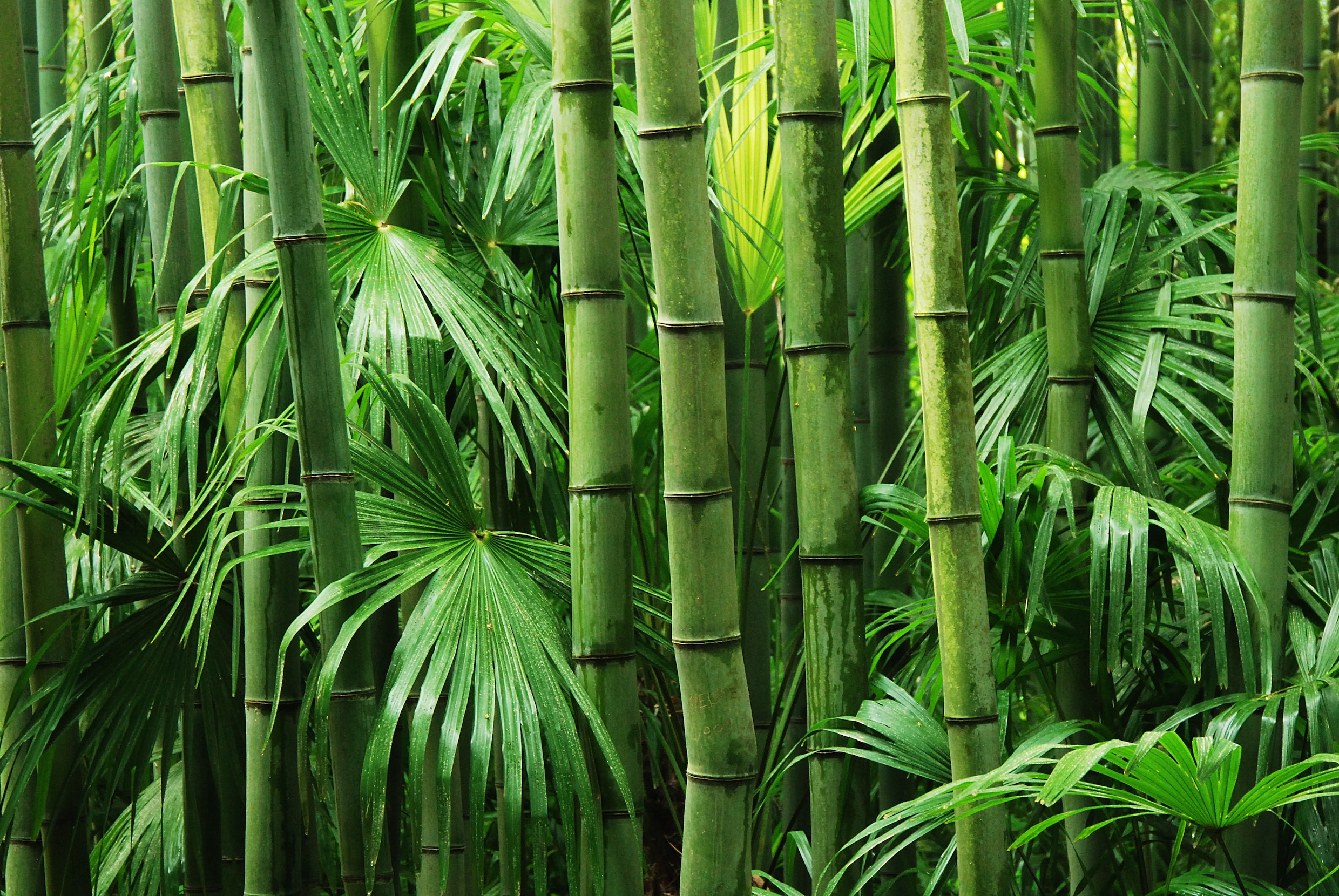
Chinese wetenschappers hebben een baanbrekend nieuw plastic ontwikkeld uit bamboe dat twee schijnbaar onverenigbare eigenschappen combineert. Het is sterker dan veel conventionele kunststoffen, maar breekt volledig af in de natuur binnen de vijftig dagen.
Dit artikel is geschreven doorMorien Raeymakers
is nieuwsredacteur bij De Morgen
Gepubliceerd op 8 oktober 2025, 21:00
Bewaren
Delen
Een team onder leiding van Haipeng Yu en Dawei Zhao van de Northeast Forestry University in het Chinese Harbin en de Shenyang University of Chemical Technology stond voor de uitdaging om een materiaal te creëren dat de functionaliteit van petrochemische plastics evenaart zonder de bijbehorende milieu-impact. Hun focus op bamboe als grondstof was niet toevallig.
“Door zijn snelle groei is bamboe een zeer hernieuwbare grondstof en een duurzaam alternatief voor traditionele houtbronnen”, licht Zhao toe. Sommige bamboesoorten groeien tot een meter per dag en levert jaarlijks tot 78 ton biomassa per hectare – ruim vier keer zoveel als gewoon hout.
Innovatief
De onderzoekers ontwikkelden een ingenieuze methode om bamboevezels af te breken tot op moleculair niveau en vervolgens te herstructureren. Ze gebruikten een speciale oplossing van zinkchloride en mierenzuur om de cellulose in bamboe te ontleden, waarna ethanol werd toegevoegd om de moleculen te herschikken in een nieuwe, sterkere configuratie.
Dit proces resulteerde in een materiaal dat de onderzoekers “bamboe moleculair plastic” (BM-plastic) noemen in hun publicatie in het gerenommeerde tijdschrift Nature Communications. Het innovatieve aspect zit in de manier waarop de cellulosemoleculen worden gemanipuleerd om een dichter en geordender netwerk te vormen dan in natuurlijke bamboe.
Sterker en duurzamer
De wetenschappers vinden de prestaties van het nieuwe materiaal spectaculair. Met een treksterkte van 110 megapascal overtreft BM-plastic veelgebruikte kunststoffen als polyethyleen (30 MPa) en het populaire bioplastic PLA (50 MPa) ruimschoots.
Bovendien behoudt het zijn vorm bij temperaturen van -30 graden Celsius tot 100 graden Celsius zonder te barsten of vervormen. Die thermische stabiliteit, gecombineerd met de hoge stijfheid, maakt het geschikt voor uiteenlopende toepassingen.
Het meest opzienbarende aspect van BM-plastic is wellicht zijn biologische afbreekbaarheid. In bodemtests desintegreerde het materiaal volledig binnen 50 dagen, terwijl conventionele plastics intact bleven. Dat lost een van de grootste uitdagingen van plastic op: de lange levensduur in het milieu.
Daarnaast is BM-plastic zeer goed recycleerbaar. Na herverwerking behoudt het 90 procent van zijn oorspronkelijke sterkte.
Talloze toepassingen
“Deze publicatie legt een methode vast voor het omzetten van overvloedige bamboecellulose in hoogwaardige, milieuvriendelijke materialen. Het biedt een haalbare manier om plasticvervuiling en afhankelijkheid van fossiele bronnen te verminderen”, stellen de auteurs.
De onderzoekers demonstreerden de veelzijdigheid van BM-plastic door er in het laboratorium diverse objecten van te maken, waaronder tandwielen, sterren en golfplaten. Het materiaal kon, net als conventionele kunststoffen, in mallen worden gegoten voor diverse producten. Volgens het onderzoek is het BM-plastic potentieel geschikt voor toepassingen variërend van auto-onderdelen en meubels tot elektronische behuizingen en bouwmaterialen.
Niet té enthousiast
Hoewel de resultaten veelbelovend zijn, is verdere ontwikkeling nodig voordat BM-plastic op grote schaal kan worden toegepast. De onderzoekers moeten nog aantonen dat het productieproces kosteneffectief kan worden opgeschaald en dat het materiaal zijn prestaties behoudt onder reële gebruiksomstandigheden.
Vervolgonderzoek is cruciaal, want de huidige publicatie is nog te beperkt. De tests zijn tot nu toe alleen uitgevoerd onder gecontroleerde laboratoriumomstandigheden. Het gedrag van BM-plastic in de “echte wereld”, waar het blootgesteld wordt aan diverse omgevingsfactoren, moet nog worden onderzocht.
Daarnaast is het materiaal slechts in één type bodem getest, bij een constante temperatuur van 25 graden Celsius. Het is nog onduidelijk hoe BM-plastic zich gedraagt in andere bodemtypes of in extreme klimaten zoals woestijnen. Ook de afbreekbaarheid in water, met name in zeewater, is nog niet onderzocht. Daar is de plasticvervuiling alomtegenwoordig en zouden de eigenschappen van het BM-plastic zeer welkom zijn.

Boeiend stuk.

 insiderpaper.com

Een andere brug :
Hongqi Bridge partially collapses in southwest China, months after opening
Part of a recently opened bridge in China’s southwestern Sichuan province collapsed on Tuesday along a national highway connecting the country’s heartland
Producten van webshops Temu worden waarschijnlijk geraakt door de EU-heffing. © ANP/HH
EU neemt waarschijnlijk donderdag besluit
Brussel
Alexander Bakker
De Europese Unie wordt momenteel dagelijks overspoeld door miljoenen goedkope pakketjes van prijsvechters als Alibaba, Shein en Temu.
Op dit moment hoeven consumenten geen importheffing te betalen als het pakketje een waarde heeft onder de 150 euro. Donderdag besluiten de EU-ministers van Financiën waarschijnlijk om deze vrijstelling af te schaffen.
https://archive.is/o/OVFOa/https://...kketjes-praktisch-onuitvoerbaar/98200117.html
Voor bijvoorbeeld kleding komt er dan een importheffing van 10 procent. Het was eigenlijk de bedoeling om de maatregel pas halverwege 2028 in te voeren.
Flitsactie
Maar Eurocommissaris Maroš Šefčovič (Handel) probeert dat nu met een flitsactie te vervroegen naar 2026. „Dit is een sterk signaal dat Europa serieus is met concurrentiekracht en eerlijke spelregels voor onze bedrijven”, schrijft Šefčovič in een brief aan de ministers van Financiën.
De Chinese invasie van goedkope pakketjes zorgt voor oneerlijke concurrentie. Nederlandse webshops en winkeliers kopen in bulk producten uit China, bijvoorbeeld duizenden T-shirts in plaats van twee T-shirts. Zij moeten daarom wel een importheffing betalen.
Douane kan het niet aan
Er speelt meer: douanediensten zitten met hun handen in het haar. Dat speelt volop in Nederland: de haven van Rotterdam en Schiphol zijn de belangrijkste aankomstlocaties voor goedkope pakketjes.
„In Nederland komen er miljoenen pakketjes binnen. Dat kunnen we niet allemaal controleren”, zegt minister Heinen. „Daar zit ook veel troep tussen. We moeten daar grip op krijgen.”
De hoop is dat Chinese prijsvechters straks meer in bulk naar Europa sturen. Een container met alleen slippers is voor de douane beter te controleren dan een container met duizenden verschillende producten.
Alarm om levensgevaarlijke producten
Toezichthouders en consumentenorganisaties slaan al langer alarm over de gevolgen van slecht toezicht: steeds vaker duiken in de Europese Unie op die niet voldoen aan de strenge eisen die hier gelden. Soms gaat het zelfs om levensgevaarlijke wantoestanden: van giftige chemicaliën in cosmetica tot kleine onderdelen in speelgoed die ongeschikt zijn voor kleine kinderen.
De extra kosten voor consumenten zullen in de praktijk verschillen per type product: op textiel zit bijvoorbeeld soms een andere heffing dan op speelgoed. Om het voor douanediensten makkelijker te maken om snel aan de slag te gaan komt er waarschijnlijk eerst een breed basistarief. Hoe hoog het percentage gaat worden is nu nog niet duidelijk.
https://archive.is/o/OVFOa/https://...chinese-webshops-temu-en-shein/101514596.html
Binnen de EU is er ook nog een politieke discussie gaande over de invoering van een afhandelingsvergoeding voor kleine pakketjes. Mogelijk gaat het om extra taks van 2 euro.
De Nederlandse schatkist zal profiteren van de extra inkomsten. Dankzij een afspraak met Brussel mag Nederland een deel van de EU-importheffingen houden. Minister Heinen zegt dat het hem niet te doen is om de centen: „Het belangrijkste is dat we hier grip op krijgen. De inkomsten heb ik weer nodig om de douane te versterken.”
Nederlanders doen het controlewerk en kopen betreffende spullen.Dankzij een afspraak met Brussel mag Nederland een deel van de EU-importheffingen houden.


De ene parasiet wil weer parasiteren op de andere parasietNederlanders doen het controlewerk en kopen betreffende spullen.
Hoezo mag NL slechts een deel van de importheffingen houden van Brussel ???
Ja, dat dus.De ene parasiet wil weer parasiteren op de andere parasiet