Mike

Follow along with the video below to see how to install our site as a web app on your home screen.
Opmerking: This feature may not be available in some browsers.

 Matthew Tyrmand claims Don Jr. is engaged in insider trading and using his position to execute crypto schemes with foreign governments to bribe Trump

Je bent onverbeterlijk. Je gaat nog van een zeer koude kermis thuiskomen. Don't say I didn't warn ya!
Mike
Die Craig heeft niks meer te maken met BCH sinds 2018, hij heeft nu BSV.
Aaron beschouwt die Craig ook als fake.
Day beweert dat Craig Wright (bewust of onbewust) werd gebruikt om de gemeenschap die zich verzette tegen institutionele Bitcoin (BTC) te verdelen en te veroveren.
Day koppelt deze juridische aanvallen aan het verhaal dat “duistere krachten” (waarbij hij opnieuw verwijst naar het invloedrijke netwerk van Epstein en het MIT) er de voorkeur aan geven dat de gemeenschap in de rechtbank in conflict raakt met figuren als Wright, in plaats van een parallelle economie op te bouwen buiten het bereik van de dollar.
Voor Aaron Day was Craig Wright het “nodige rumoer” om de gemeenschap af te leiden terwijl de oorspronkelijke BTC werd omgevormd tot een financieel product voor Wall Street (ETF's).
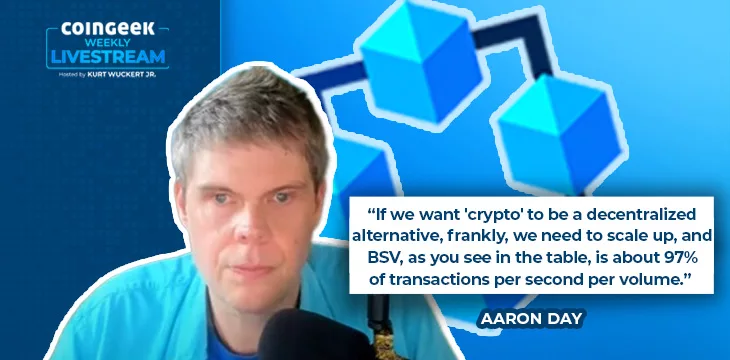
Day says he has been following Dr. Craig Wright’s work and the BSV blockchain ecosystem since the split with Bitcoin Cash.
He admires Dr. Wright’s firm stance on property rights, including intellectual property, and notes that this is one of the biggest dividing lines in the space.
 coingeek.com
Nee hoor, je hebt het voor mij niet voorgoed verbruid. Geschreven taal komt soms harder over omdat je de gezichtsuitdrukking niet ziet of de toon van de stem niet hoort. Ik waardeer je bijdrages zeer, al vele jaren. Maar op het gebied van BTC ben je idd volhardend. Dat is jouw goed recht, net zoals het voor mij is om dit te (proberen) te ontkrachten. Het leven zou saai zijn als we allemaal hetzelfde zouden zeggen en denken, toch?Likewise Mike wat dat laatste aangaat en inderdaad je hebt gelijk dat ik onverbeterlijk ben.
Kijk voor de grap zelf ook eens in de spiegel wat dit aangaat:
voor zover ik je inschat, heb ik het wel voorgoed voor je verpest heb om je er ooit nog serieus in te willen verdiepen.
Dat is dan in het geheel mijn intentie niet geweest: het omgekeerde.
Ik denk niet dat je daaraan twijfelt maar eerder dat ik het verkeerd zie.
Bitcoin heeft een ''fair launch'' (eerlijke lancering) gehad:
velen zagen (begrijpelijk) niet gelijk het licht.
Iedereen had een gelijke kans, en ongelijkheid komt door eigen keuzes, risico en timing
– niet door oneerlijk spel:
dit omdat mensen bitcoin vaak een piramidesysteem noemen wat het niet is:
dat is het fiatgeldsysteem juist waar bitcoin het tegengif tegen is.
Bitcoin komt binnenkort pas echt net op stoom al duurt het al 16 jaar voort.
Straks gaat de koers een vlucht nemen volgens de algemene prognoses.
Dus daarin zit mijn waarschuwing met de CBDC voor de deur.
Het meeste werk bij bitcoin zit hem erin je te informeren: voor veel mensen een brug te ver uiteraard: snap ik helemaal.
Financien ligt vaak al moeilijk, laat staan dan ook nog zoiets ver van mijn beds als bitcoin.
Ik voel me op dit punt eigenlijk hetzelfde als ik me voelde tijdens de coronacrisis:
je wil mensen waarschuwen / helpen, maar niets helpt, je wordt ook nog voor gek verklaard.
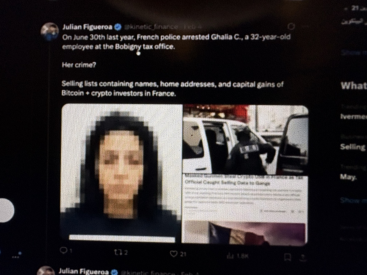
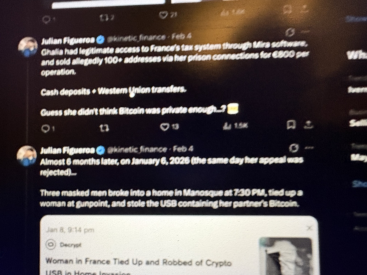
Eerst wordt iets opgeslagen omdat het waarde behoudt.
Store of Value (oppotmiddel) — eerst
Mensen beginnen een goed te verzamelen omdat:
Bijvoorbeeld: goud werd eerst opgepot omdat het niet bederft en zeldzaam is.
- het schaars is
- het duurzaam is
- anderen het ook waarderen
Zonder waardeopslag zou niemand het willen bewaren.
Daarom moet iets eerst waarde kunnen vasthouden.
Als veel mensen dat goed opslaan, wordt het steeds makkelijker om ermee te betalen.
Medium of Exchange (ruilmiddel) — daarna
Waarom?
Omdat iedereen weet dat anderen het ook willen hebben.
Dus:
“Als ik goud aanneem, weet ik dat ik het later weer kan gebruiken.”
Pas wanneer het algemeen wordt gebruikt, gaan mensen prijzen uitdrukken in die eenheid.
Unit of Account (rekenmiddel) — als laatste
Bijvoorbeeld:
De samenleving begint waarde systematisch in die eenheid te meten.
- Dit paard kost 2 goudstukken.
- Dit huis kost 100 goudstukken.
Waarom deze volgorde logisch is
Dus ja — in theoretische ontwikkeling is de volgorde vaak:
- Zonder store of value wil niemand het bewaren.
- Zonder brede acceptatie (medium of exchange) kan het geen standaard worden.
- Zonder standaardisering kan het geen unit of account worden.
Store of value → Medium of exchange → Unit of account
De Wet van Gresham (ook wel Gresham's Law genoemd) is een bekend economisch principe dat luidt:
"slecht geld verdrijft goed geld" (in het Engels: "bad money drives out good").
Het principe zegt dat wanneer er twee soorten geld tegelijk in omloop zijn met dezelfde nominale (nominale) waarde (bijvoorbeeld beide wettig betaalmiddel voor €1), maar met een verschillende intrinsieke waarde, mensen rationeel handelen door:
Daardoor verdwijnt het goede geld geleidelijk uit de dagelijkse circulatie en blijft vooral het slechte geld over.
- Het slechte geld (met lagere intrinsieke waarde) uit te geven en te gebruiken voor betalingen.
- Het goede geld (met hogere intrinsieke waarde) op te potten, te bewaren, te smelten of naar het buitenland te exporteren.
Wat is geld eigenlijk?
Wat is geld?
Het begint als een verzamelobject...
Van verzamelobject naar waardeopslag
...en het evolueert uiteindelijk tot een store of value, een breed geaccepteerde waardeopslag.
Van waardeopslag naar ruilmiddel
Vervolgens wordt het geschikt als ruilmiddel...
Tot slot een rekeneenheid
...en uiteindelijk wordt het een rekeneenheid, oftewel: de eenheid waarin je andere dingen prijsgeeft.
Originele Engelse tekst ter referentie:
“What is money?
It starts out as a collectible and eventually evolves to becoming a store of value, a widely held store of value.
And then it becomes suitable as a medium of exchange and eventually it becomes a unit of account which means that it's the thing that you price other things in terms of.”
"Bitcoin Can't Be Seized During The Next Financial Collapse (You Need It)" van het kanaal Bitcoin Bram. Het is een Engelstalig gesprek (podcast-stijl) tussen Bram Kanstein en Tony Yazbeck over Bitcoin, financiële soevereiniteit, fiat-falen en lessen uit de Libanese crisis.
De ontwaking: financieel verraad
Tony Yazbeck beschrijft hoe hij en veel anderen een moment van "ontwaking" beleefden toen ze beseften dat het fiat-systeem hen verraadt. Overheden en banken printen geld bij zonder limiet, wat leidt tot koopkrachtverlies en verborgen belastingen via inflatie.
Bitcoin als rebellie tegen het oude systeem
Bitcoin wordt gezien als een directe middelvinger naar het legacy financiële systeem. Het is geen belegging of tech-aandeel, maar een vorm van verzet tegen surveillance, debasement en controle door centrale instanties.
Het fiat red pill moment
Het moment waarop iemand de rode pil slikt en begrijpt dat fiat geld oneerlijk is: het is een systeem van constante waardevermindering. Tony legt uit hoe dit inzicht hem veranderde van een traditionele cybersecurity-expert naar iemand die Bitcoin als oplossing ziet.
Waarom verandering zo moeilijk is
Mensen blijven hangen in het fiat-systeem omdat het vertrouwd is en verandering eng lijkt. Toch is vasthouden aan fiat riskanter op lange termijn, zeker als het systeem faalt.
Bitcoin in een falend systeem
In een instortend financieel systeem (zoals in Libanon gebeurd) is Bitcoin een van de weinige dingen die niet zomaar in beslag genomen kan worden, mits je het zelf beheert (self-custody). Bankrekeningen en obligaties daarentegen wel.
Educatie en overtuiging opbouwen
Het belangrijkste is om anderen te onderwijzen zonder ze te pushen. Overtuiging komt vanzelf als mensen de zwaktes van fiat zelf ervaren. Tony benadrukt rustig en feitelijk uitleggen.
Voorgaan door voorbeeld
De beste manier om anderen te overtuigen is zelf volledig op Bitcoin over te stappen: spaargeld in BTC, geen fiat-schulden aangaan en leven op een Bitcoin-standard zoveel mogelijk.
De illusie van controle en eigendom
In het huidige systeem bezit je je geld niet echt – banken en overheden kunnen het bevriezen of confisqueren. Bitcoin doorbreekt dit met private keys = echte eigendom.
De reis naar soevereiniteit
Tony beschrijft zijn persoonlijke reis naar financiële onafhankelijkheid: van afhankelijkheid van banken naar complete zelf-custody van Bitcoin. Dit geeft rust in tijden van crisis.
Bitcoin als écht geld
Bitcoin is schaars (21 miljoen cap), niet manipuleerbaar en transporteerbaar. Het voldoet aan de eigenschappen van goed geld, in tegenstelling tot fiat dat oneindig bijgeprint kan worden.
De tweeledige Bitcoin-wereld
Er ontstaat een tweedeling: mensen met Bitcoin in eigen beheer versus mensen die Bitcoin via ETF's, custodians of geleend houden. Alleen self-custody geeft echte soevereiniteit en bescherming tegen inbeslagname.
Structurele gebreken van fiat
Fiat heeft geen limiet, leidt tot constante inflatie, begunstigt schuldenlastigen en creëert ongelijkheid. Historische voorbeelden (Libanon, Venezuela, etc.) tonen hoe dramatisch het kan aflopen.
Lessen uit de Libanese ineenstorting
Tony deelt concrete lessen uit de Libanese crisis: spaargeld op de bank verdween of werd sterk gedevalueerd, mensen konden niet meer bij hun geld, goud en cash werden riskant. Alleen Bitcoin (self-custodied) bleef bruikbaar en beschermd.
### Mensen passen zichzelf in een steeds nauwere box aan door inflatie
Rond de 7-10 minuten (en doorlopend) beschrijft Tony hoe mensen onder fiat-inflatie hun levensstijl steeds verder **inkrimpen** om te blijven passen in de afnemende koopkracht: "Ze krimpen hun levensstijl in om in die verminderde capaciteit te passen." Mensen proberen zichzelf in een **steeds nauwere box te fitten**, terwijl de parasieten (overheid/banken) de reguliere valuta blijven ontwaarden. Dit is een langzaam proces van aanpassing aan armoede, zonder dat ze het doorhebben.
### Mensen die Bitcoin al begrijpen maar niet ontvankelijk zijn voor psyops
Tony zegt dat wie Bitcoin écht begrijpt, immuun wordt voor de **psyops** (psychologische operaties) en manipulatie van het systeem. Ze raken niet meer van slag door prijsdalingen of negatieve narratieven. "Zolang je nog van slag raakt door die fiat-prijs, begrijp je het niet volledig." Deze mensen zien door de spelletjes heen: "Je hoeft niet mee te spelen op dit schaakbord." Ze zijn vaak al "verwoest op DNA-niveau" (spiritueel/moraal kapotgemaakt door het systeem), maar juist daardoor vrij: "When you are eradicated on your DNA-level, you are no longer to be controlled."
### Bitcoin in de TradFi-wereld en de ETF-narratief
In de traditionele finance (TradFi) wordt Bitcoin neergezet als "de nieuwe jongen op het blok" – prima, maar dan met ETFs: "We can still manipulate you." De narratief is: Bitcoin is oké, maar blijf binnen ons systeem via custodians, ETFs en geleend geld. Dit houdt mensen afhankelijk. "Mensen doen nog steeds geen huiswerk: ze zijn hun eigen ergste vijanden." De prijsmanipulatie (van ~$126k naar $66k) gebeurde via ETFs, treasuries en lenen – allemaal met **counterparty risk**. "Don't fit Bitcoin in the TradFi frame." Als je de US dollar hetzelfde zou framen als een slecht product, zou Bitcoin falen – maar dat doen ze niet.
### De revolutie zit in self-custody en echt eigendom
Bitcoin is beschikbaar voor 8,3 miljard mensen, maar de elite is "petrified" (doodsbang) als mensen het begrijpen. "Het systeem is bang dat mensen Bitcoin snappen." In self-custody is het écht van jou: "Voor het eerst ooit is het echt van jou." Bankgeld is niet van jou – banken laten het je merken als het erop aankomt. "Geld op de bank is niet van jou." Exit taxes (zoals in Nederland) proberen je tegen te houden, maar werken niet bij Bitcoin door de beperkte voorraad: "Dit kan niet geïnflateerd worden zolang je self-custody hebt."
### Inflatie als diefstal, financiële onderdrukking en brainwashing
"Inflation is theft": het is financiële onderdrukking die ons dwingt fiat te gebruiken. Mensen zijn gebrainwasht dat het zo móét: "Er is geen vrije markt voor geld." Bitcoin-betalingen gebeuren nog niet op grote schaal omdat mensen in angst leven: "Holy shit, is dit legaal?" De meesten zijn te "retarded" (dom) om buiten de box te denken. Verandering komt pas als "het water aan de lippen staat". Mensen verwachten overnight revolutie, maar dat gebeurt niet.
### Bitcoin niet als investering zien, maar als echt geld
"Om te winnen met Bitcoin moet je geloven dat dit echt geld is." In het Westen denken mensen eraan als investering – dat is niet de basis voor duurzaam succes. Stap één: begrijp dat dit het geld is en spaar erin. Het begin is "agonizing" (pijnlijk): je leven omgooien, fiat dumpen, in Bitcoin sparen. Maar het verschil is enorm: "Het is echt van jou."
### Lead by example en de psychologische/spirituele reis
"Lead by example" – Tony was in een donkere plek, kon amper uit bed komen, maar een Andreas Antonopoulos-video veranderde alles. Hij hield vast aan overtuiging: 100% over tijd groeit je koopkracht. Bitcoiners rijden geen Lambo's, maar leven stabiel. Luister niet naar "microrubbish" (kleine kritiek). CBDC-nachtmerrie bestaat alleen als je niet via Bitcoin self-custody uitstapt. Bouw spaargeld op sound money: externe factoren raken je niet meer. "No one controls you" als je je geld bezit. Jurisdictional freedom (verhuizen naar gunstige landen) is stap twee. Het gaat niet om hoeveel Bitcoin je hebt, maar om de bewuste keuze je eigen geld te houden – dat beïnvloedt ál je levensbeslissingen. Het is psychologische/spirituele soevereiniteit: lagen afpellen die je geaccepteerd had.
### Het protocol begrijpen en waarom Bitcoin geen stock is
Begrijp het protocol: harde cap van 21 miljoen, niet manipuleerbaar, neutraal. "Waarom is Bitcoin niet zomaar een aandeel?" TradFi probeert het erin te framen, maar dat moet je weigeren. De revolutie is self-custody. Mensen doen het niet omdat hun leven eerst erger wordt (exit abusive relationship met het systeem). Debasement tax + belastingen: 6-8 maanden per jaar werk je gratis voor parasieten. Mensen accepteren ondergeschiktheid aan een slecht systeem: "Ajb leg deze gedachte niet op mijn bord." Maar bullies (het systeem) worden brutaler als je zwak blijft – trek jezelf eruit.
Wat betekent een bitcoinstandaard
We leven er al op. Mensen begrijpen het. Er is een tweelaagse wereld: mensen die het begrijpen en mensen die het niet begrijpen.
Mensen en hun vragen
Mensen vragen: waarom klagen die mensen niet? Maar er is geen trein die je naar de andere kant brengt. Wanneer mensen genoeg vastzitten, komen ze in opstand. Dit is geen film die je wilt bekijken.
Wanneer mensen antwoorden nodig hebben
Wanneer mensen zich verstikt voelen en antwoorden nodig hebben, komen ze uiteindelijk op die manier bij bitcoin terecht. Dit kost tijd. Pijn is de beste leraar. Hopelijk stellen mensen grotere vragen en neemt de interesse toe. Dit is beperkt tot degenen die opletten.
Individuele en groepsconversie
Omzetting gebeurt één voor één, binnen een meerlagige groep. Misschien letten veel mensen niet op. De slechtste mensen zitten er volledig in en willen niet dat jij erbij komt. Ze willen zelfbewaring voor zichzelf. Ze willen dat jij bitcoin via hen gebruikt.
Een gebroken systeem doorbreken
Binnen dat gebroken systeem moet die mentaliteit sterven. Als je iets niet kunt betalen, koop het dan niet. Bouw een fundament dat niemand meer van je kan afpakken. Die mentaliteit moet helpen om vooruit te komen. Traditionele financiële diensten (TradFi) moeten sterven. Mensen die de regels maken en alleen de overheid vertrouwen, zijn misbruikend. Een geldpers kan de overheid niet laten werken.
Toekomstige crises
Het komende decennium in het Westen: hersenen smelten. Mensen in Libanon: hoge corruptie. Instorting komt overal: overal hetzelfde, alleen andere tentakels. Als 5 procent gebeurt van wat er in Libanon is gebeurd, verlies je koopkracht en moeten mensen overleven. Handel eerst, denk later. Dit is geen scenario waarin je middenin wilt zitten.
Opstaan uit de hel
Zo kom je terug uit de hel. Het gaat over een scenario dat Tony heeft meegemaakt en hoe hij eruit is gekomen. Zijn doel is om mensen hieruit te krijgen. Tony had nooit gedacht dat hij dit zou meemaken. Hij maakt er grapjes over: kun je je voorstellen dat mensen leven op een bitcoinstandaard en over ons leren?
Investeren in jezelf
Niets doen is zelfmoord. Met nep-papier kun je niets doen. De investering is in jezelf. Vertrouwen op een derde partij is een mentale ziekte. Een ander een sleutel geven is gewoon financieel zelfmoord.
Bitcoin als standaard
Er zijn miljoenen mensen die leven op een bitcoinstandaard. Bitcoin is een protocol zoals het internet. Veel handelaren accepteren het als geld. Die wereld bloeit. Als je alleen naar de grafieken kijkt, mis je het. Bitcoin als geld maakt het mogelijk: je kunt sparen. Wanneer de prijs daalt, is dat extatisch. De toekomst is oranje. Bitcoin zal het toekomstige wereldactief worden waarop je kunt vertrouwen.