
Installeer de app
How to install the app on iOS
Follow along with the video below to see how to install our site as a web app on your home screen.
Opmerking: This feature may not be available in some browsers.
Je gebruikt een verouderde webbrowser. Het kan mogelijk deze of andere websites niet correct weergeven.
Het is raadzaam om je webbrowser te upgraden of een browser zoals Microsoft Edge of Google Chrome te gebruiken.
Het is raadzaam om je webbrowser te upgraden of een browser zoals Microsoft Edge of Google Chrome te gebruiken.
Feminisme
- Onderwerp starter fatsnotbad
- Startdatum


Veterans doing what? Heeft zij gevochten aan het front? Wat denk je zelf?
Mike
Mike
Ze was lid van de USAF die actief waren in Irak en Afghanistan. Rond 2003/2004 was dat daar ongeveer een piek. Ze zou in het onderhoud en steun gezeten hebben.
Niet iedereen aan een front vecht.
Je weet het nooit met zekerheid natuurlijk, maar om tot die veteranink site toe te treden moet je wel degelijk je militair verleden laten weten.
Niet iedereen aan een front vecht.
Je weet het nooit met zekerheid natuurlijk, maar om tot die veteranink site toe te treden moet je wel degelijk je militair verleden laten weten.
Ze is waarschijnlijk gewoon typmiep geweest in een kantoor.
Mike
Mike
Mike
Mike
Mike
Mike
Mike

Lievergezond
Well-known member
Hier komt veel bij elkaar: had het ook bij zionisme kunnen zetten: en dit is dan kennelijk nog maar de eerste aflevering:
Iemand schrijft dit bij de comments bij de video:
''1. Generational trauma
2. White savior complex
3. Early sexualization of children of color
4. Self-hatred and denial from both Mary Kay and her mother
5. Hypocrisy of so-called family values
6. Double standards regarding female abusers versus male abusers
7. The abused becomes the abuser
8. White privilege in the criminal justice system''
White savior complex zou je crypto-zionisme o.i.d. kunnen noemen in dit geval.
Crypto-joods katholicisme o.i.d. kun je er ook aan toevoegen.
Niet alleen early sexualization of children of color denk ik maar uberhaupt bij zio's zelf onderling (helaas ook voor hun): maar zeker ook racistisch element.
 forward.com

 en.wikipedia.org
Iemand schrijft dit bij de comments bij de video:
''1. Generational trauma
2. White savior complex
3. Early sexualization of children of color
4. Self-hatred and denial from both Mary Kay and her mother
5. Hypocrisy of so-called family values
6. Double standards regarding female abusers versus male abusers
7. The abused becomes the abuser
8. White privilege in the criminal justice system''
White savior complex zou je crypto-zionisme o.i.d. kunnen noemen in dit geval.
Crypto-joods katholicisme o.i.d. kun je er ook aan toevoegen.
Niet alleen early sexualization of children of color denk ik maar uberhaupt bij zio's zelf onderling (helaas ook voor hun): maar zeker ook racistisch element.
The Secret Jewish History Of Mary Kay Letourneau
Mary Kay Letourneau, who was jailed for having sex with her 6th-grade student, is from a prominent family that has been accused of anti-Semitism.
forward.com
The Secret Jewish History Of Mary Kay Letourneau

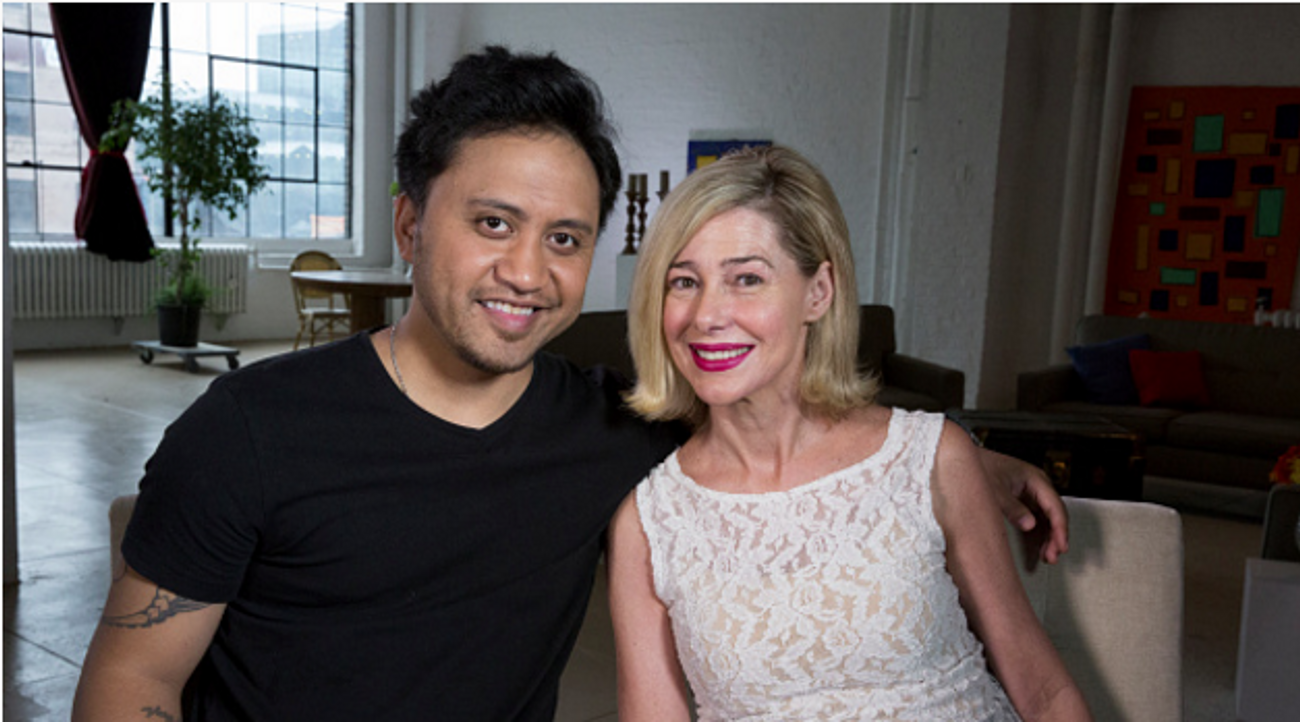
Mary Kay Letourneau and Vili Fualaau.
By Aiden PinkMay 31, 2017
One of the most notorious tabloid events of the 1990s came full circle earlier this month when Vili Fualaau filed for separation from his wife, the former Mary Kay Letourneau, who was also his 6th grade teacher.
Letourneau, then 34, was convicted of child rape in 1997 after having sex with Fualaau, then 13. She pleaded guilty and was given a reduced sentence of six months in jail on the condition that she never again contact Fualaau. But two weeks after completing her jail term, she was caught having sex with with Fualaau in her car and was given a seven-and-a-half year sentence.
Letourneau and Fualaau had two daughters and married soon after Letourneau was released in 2004. According to Fualaau’s filing, the couple still lives in the same house in Washington state.
Letourneau grew up in Orange County, California in the 1960s and 70s. As a child, my mother was neighbors with one of Mary Kay’s school friends, and Mary Kay would often play in my mother’s yard. But one day, as my mother recalls it, Mary Kay refused to come over.
“My dad said that I’m not allowed to go to your house or to talk to you anymore because you’re Jewish,” she said. “And my dad says that you are a sinner and bad influence, so you better go back to your side of the street now.”
Mary Kay never spoke to my mother again.
Mary Kay’s father was John Schmitz, a Republican legislator and a leader in the far-right John Birch Society, which was often accused of propagating anti-Semitic conspiracy theories. Schmitz would later be the subject of controversy after issuing a press release entitled “Senator Schmitz and His Committee Survive Attack of the Bulldykes,” in which he described chairing a hearing surrounded by “a sea of hard, Jewish and (arguably) female faces.” This caused him to be expelled from the John Birch Society for what the group called his “extremism.” Schmitz was eulogized upon his death in 2001 by the Institute for Historical Review, a Holocaust denial group, which called him a “good friend.”
This was not the only instance in which the Schmitz family was accused of anti-Semitism. Mary Kay’s brother Joseph Schmitz, who was the Pentagon’s inspector general from 2002-2005, was accused in a formal grievance filing by a Defense Department employee of boasting about firing Jewish employees and questioning whether the ovens in Nazi concentration camps could have killed six million Jews.
Schmitz, who would go on to serve as a foreign policy adviser to Donald Trump’s presidential campaign, called the allegations “completely false and defamatory” and said that he had been married for 38 years to a woman whose maternal grandmother was Jewish.
Mary Kay Letourneau - Wikipedia
Laatst bewerkt:
Mike
Podcaster Andy Frisella warns that men across America need to wake up immediately, because the nation is being ruled by “psychopathic pedophiles” and that civilization will collapse if this isn’t rejected.
Frisella urges men to unite, and that standing together against these crimes is more urgent than any other cause.
“We have to be prepared to do whatever is necessary to make that happen.”
Mike
Frisella urges men to unite, and that standing together against these crimes is more urgent than any other cause.
“We have to be prepared to do whatever is necessary to make that happen.”
Mike
A woman who falsely accused a good samaritan of rape after he gave her a lift home (when he found her drunk and crying in the street) has been jailed for two years.
As she was led away to the cells, a judge warned that her actions could prompt men to think: 'No way am I stopping for a lone female, however distressed she looks!’
What a terrible story. I think we need more societal focus on how damaging false accusations can be!
Goed advies.
Mike
As she was led away to the cells, a judge warned that her actions could prompt men to think: 'No way am I stopping for a lone female, however distressed she looks!’
What a terrible story. I think we need more societal focus on how damaging false accusations can be!
As she was led away to the cells, a judge warned that her actions could prompt men to think: 'No way am I stopping for a lone female, however distressed she looks!’
Goed advies.
Mike
Mike
Mike
Waarom heeft Joker (Better Bachelor) nog geen video gemaakt over de ultieme Karen, Pam 'Pedo Barbie' Bondi? Lastig als je een politiek kamp hebt gekozen en dit gedrag komt uit eigen kring, nietwaar?
Mike
Mike
Lievergezond
Well-known member
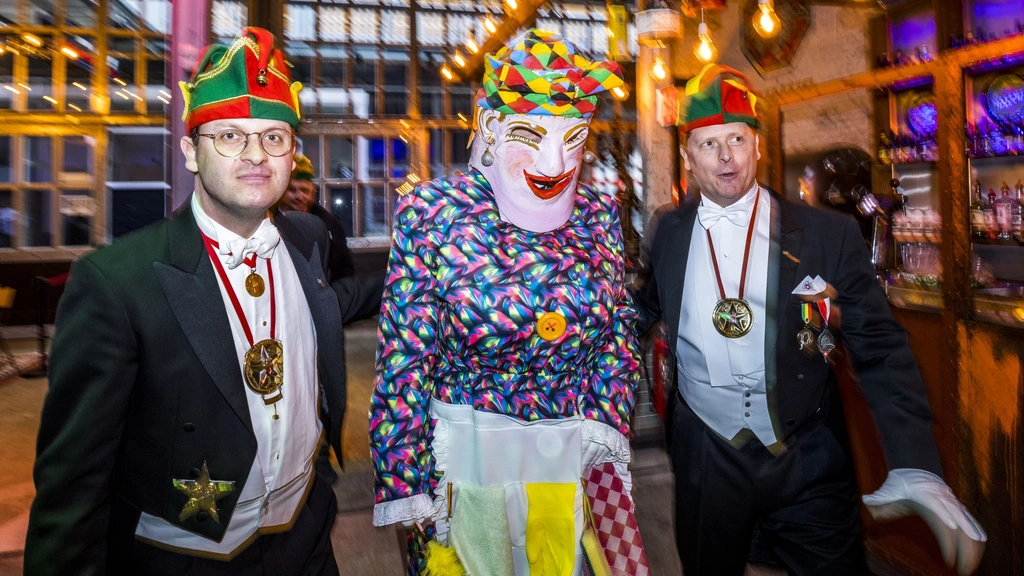
Feministen voeren actie tijdens carnaval: 'Ook ik wil graag Prins zijn'
Carnavalsverenigingen zijn te vaak een 'mannenbolwerk', vinden feministen uit Limburg. Daarom hebben ze een vacature uitgeschreven voor de functie 'Prins Carnaval (m/v/x)'.
 nos.nl
Feministen voeren actie tijdens carnaval: 'Ook ik wil graag Prins zijn'
Deel dit artikel
Het Limburgs Museum en feministisch platform Aangenaam vragen aandacht voor het mannenbolwerk dat de meeste carnavalsverenigingen in hun ogen nog steeds zijn. Prins Carnaval is bijna altijd een man en dat moet volgens hen veranderen.
Om hun punt kracht bij te zetten, schreven ze een vacature uit voor de functie 'Prins Carnaval (m/v/x)'. In sommige plaatsen was de afgelopen jaren al een Prinses Carnaval, maar dat gebeurt volgens de feministen nog te weinig. Ook komen er soms negatieve reacties op.
Zo was Femke Bindels vorig jaar de eerste vrouwelijke Prins Carnaval in Heerlen. Dat leverde haar naast veel positieve ook minder fijne reacties op. "Er werd gezegd dat het allemaal erg woke was en totaal niet geëmancipeerd dat ik hiervoor koos. Die negatieve reacties hebben mij erg geraakt."
De Prins Carnaval-verkiezing is een eeuwenoude traditie. De uitverkorene, vaak een bekend gezicht uit de stad of het dorp, vervult een belangrijke symbolische rol tijdens het feest. Vroeger konden alleen mannen 'Prins' worden.
Dertien jaar geleden had het Brabantse Oss al de eerste carnavalsprinses en dit jaar zwaait daar opnieuw een vrouw de scepter. Wijchen (Gelderland) en Margraten (Limburg) hebben voor het eerst een vrouwelijke Prins Carnaval. In 2024 had ook Eindhoven voor het eerst een vrouw. "Er is wel verandering", zegt Crissy Fila van Aangenaam. "Maar vooral bij kleinere carnavalsverenigingen. De grote stadsverenigingen blijven achter."
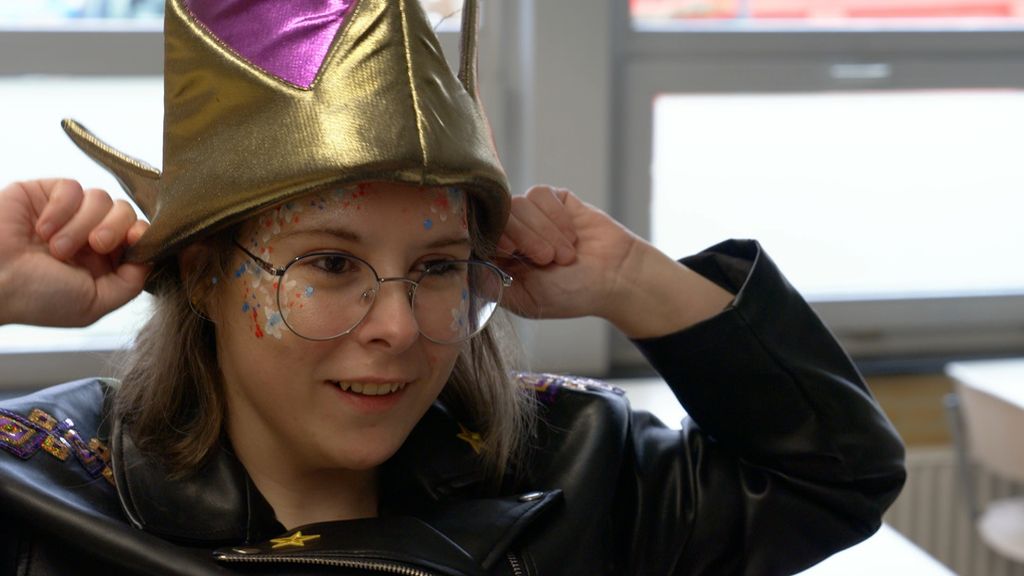
"Ook ik wil graag Prins zijn", schreef Femke Kuijpers-Brünken uit Venlo in haar sollicitatiebrief voor de functie 'Prins Vastelaovend (m/v/x)':
1:59
'We hebben ook moeten wennen aan dat Zwarte Piet niet meer zwart mocht zijn'
Nanet Hazenbosch, die ook is aangesloten bij het Limburgse feministische platform, snapt wel waar de 'mannentraditie' vandaan komt. "De meeste carnavalsverenigingen zijn oud, die komen uit 1800 of 1900. Toen mochten vrouwen nog niet eens stemmen en dus ook niet bij carnavalsverenigingen. Maar het is nu 2026, dus we willen in alle facetten meedoen."
Zowel de Brabantse Carnaval Federatie als de overkoepelende carnavalsvereniging in Limburg zeggen tegen Nieuwsuur dat vooral de grote steden hechten aan de traditie van een mannelijke Prins Carnaval. Ook het Venlose Jocus, de oudste nog bestaande carnavalsvereniging van Nederland, zegt veel waarde te hechten aan tradities, en voegt toe dat er vanuit de Venlose gemeenschap geen signalen zijn dat er aanpassingen moeten komen.
Het Limburgs Museum en Aangenaam hopen binnenkort elf sollicitanten te presenteren als mogelijke kandidaten voor Prins Carnaval (m/v/x) volgend jaar.

Spiritoverflesh
Well-known member
Niet alleen vrouwen in de politiek.
Mike
Mike
S
Surv
Guest
Ik ben voor !Feministen voeren actie tijdens carnaval: 'Ook ik wil graag Prins zijn'
Carnavalsverenigingen zijn te vaak een 'mannenbolwerk', vinden feministen uit Limburg. Daarom hebben ze een vacature uitgeschreven voor de functie 'Prins Carnaval (m/v/x)'.
Waarom zouden die 'vrouwen' geen 'malloot-rol' mogen spelen ?

Forum statistieken